
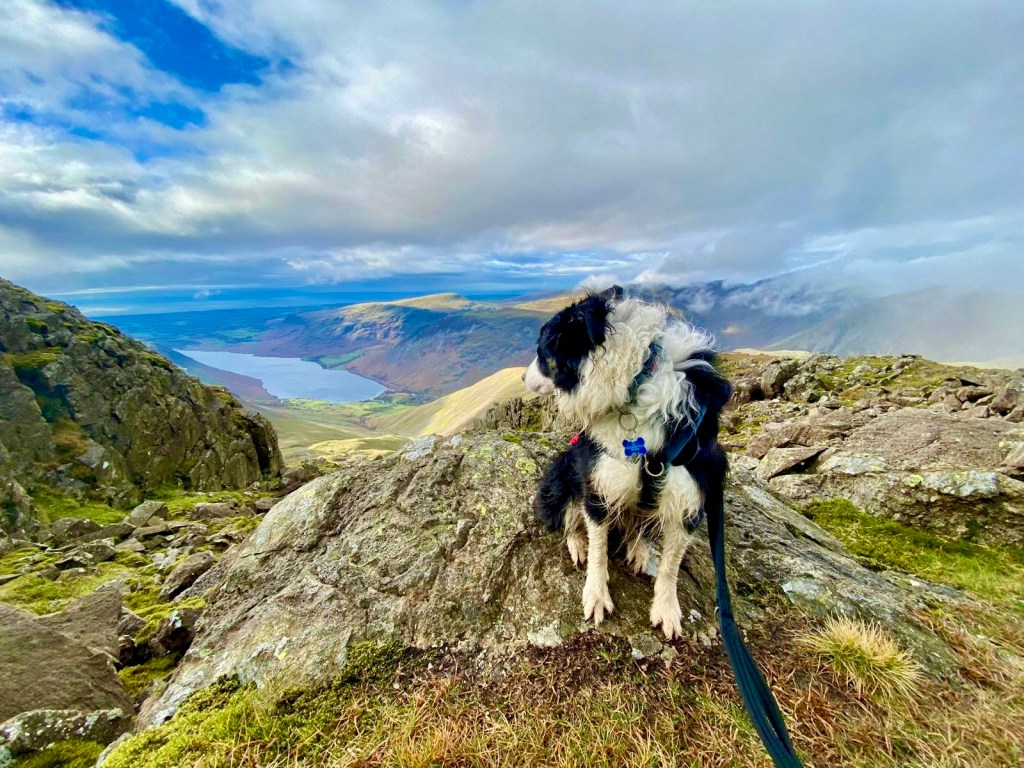
Dealing with a reactive dog can be really difficult, both physically and mentally.When my sweet Border Collie Chase, that I had raised from an 8 weeks old pup, started growling, lunging and even biting—not just at other dogs and strangers—but at me and my partner, my whole world felt like it was falling apart.
This wasn’t what I dreamed having a dog would be like, long peaceful walks, movie nights curled up on the sofa and endless belly rubs and laughs. Instead, walks started to fill me with dread and anxiety, as I anticipated a dog approaching from any direction, and plotted my escape route when the barking and lunging began. Grooming time became an endless attempt of me trying to stuff food in his mouth—to keep him from growling—as I tried to brush his coat or trim his nails.
He wasn’t like this all of the time, we still had plenty of lovely moments snuggled on the sofa, or playing with his favourite toys. So why was my dog reactive and how could I stop him from behaving this way. This is what inspired me to start my journey to become a certified dog behaviourist—so that not only could I answer that question for my beloved Collie Chase—but to help bring other owners one step closer to living their dog owning dreams.
First, we must understand what reactivity is, to determine the motivation behind the dog’s behaviour. ‘Reactive’ can be defined as showing a response to a stimulus. By definition this is completely normal behaviour, when we use the term in dog behaviour it should really be referred to as ‘over-reactive’, because issues arise when our dogs show—too extreme a response to a given stimulus—that us humans deem as unnecessary.
And so, the disconnect begins, as humans we observe our dog barking and lunging at another dog, person or object and think the behaviour is absurd—as we can see there is no real threat present—but sadly our dog’s brains are not always aligned to our logic. For them, they believe their response to be completely appropriate towards whatever is triggering the behaviour.
This is why punishing the behaviour isn’t just ineffective—it’s cruel—because we are not changing the dog’s underlying emotional response. This is a very real and appropriate reaction in their mind. By punishing, we are simply suppressing their emotions and taking away their ability to communication how they feel. As part of the positive dog training community—we choose to help change the dog’s emotional response—so that they no longer feel the need to react as they trust our guidance to keep them safe.
So, what are the most common reasons driving dog reactivity? Let’s dig a little deeper and look at what might actually be causing this behaviour below the surface. Here’s a breakdown of some of the most common factors which may be contributing to your dog’s reactivity.

Pain
Pain should always be ruled out first—whenever a shift occurs in your dog’s behaviour—especially if they start to show sudden signs of reactivity or aggression. Pain is not always visible to the eye, whether it is caused by injury or an underlying medical issue, if undiagnosed the discomfort will worsen. What may seem like a sudden outburst of aggression—when you scratch your dog in their favourite spot and they turn and snap or bite at your hand—could actually be an uncontrolled response to pain.
If you are in any doubt about whether your dog may be experiencing pain or discomfort, always get them checked over by a veterinary, we owe our furry companions that much.
Fear / Anxiety
From my own personal experience, fear is one of the most common causes for reactivity and aggressive behaviours in dogs. What on the exterior may seem like a bold, dominant display of macho behaviour—is often driven by deep underlying fear—and is a desperate attempt to scare off a perceived threat.
Again, let’s not forget the disconnect we often face here—us humans observe and rationalise that there is no real threat present—but to our dogs this is a very different picture. That picture may have been tainted from a negative past experience or even pain, but whether it be the approach of another dog, a strange human hand coming over their head, or a pointy hair brush about to press against their delicate skin, they now see it in a very different light.
Genetics
There is not a great deal we can do to influence this one, but it is very important to be aware of how genetics can influence a dog’s behaviour. When choosing the right breed of dog to bring into our family home, we must research and educate ourselves on the specific characteristics and traits of the breed.
Some breeds have evolved through natural selection to fulfil specific roles, whether that be a Border Collies immense sensitivity towards movement, or the strong prey drive to hunt of a Jack Russel. It is unfair to expect these dogs with innate and powerful breed specific characteristics—to simply switch these instinctual tendencies off—and adapt into our modern society, without the skills and understanding to cope. This unfortunate divide between expectation and reality is where problem behaviours arise, often an outcry from our dogs struggling to cope with the heavy expectations we have set.
Frustration
Frustration is another big cause of reactivity in dogs and it can stem from a variety of different reasons. The most common being barrier frustration, whether that barrier be a lead preventing your dog from reaching another dog, person or object, a fence preventing your dog from interacting with the neighbours or a window stopping them from getting to passersby. When your dog is excited, nervous or just over-stimulated their body will be flooded with adrenaline. When a physical barrier is present—preventing them from getting to the trigger— all of the adrenaline flooding your dog’s body has no outlet. So instead, it is often displaced through less desirable behaviours such as barking, lunging and acting all frantic. This is actually your dog being unable to control their emotions and having no other way to communicate or calm themselves down.
Resource Guarding
Despite the significant evolutionary differences between a domestic dog and a wolf—they do share a common ancestry—highlighting just how instinctive some of the behaviours displayed by our dogs are. Resource guarding is one of those instinctive behaviours, which keeps animals in the wild alive, by protecting resources valuable to them. Unfortunately, this instinctive tendency to guard what is valuable can still surface in our domestic dogs, even if they have a plentiful source of food, shelter and toys.
Resource guarding is a very natural behaviour for dogs, but can lead to reactivity and aggression if not careful managed. Dogs may growl, lunge or bite to communicate that they do not want you to take away something that they deem as valuable to them. By understanding what is driving this behaviour, we can help our dogs communicate in more appropriate ways through positive reinforcement based training.
Learned Behaviour
Often when reactivity in your dog has started to develop and escalate based on one or more of the previous reasons listed, we try to intervene and mediate the situation. Unfortunately, in doing so we actually may be reinforcing the reactive behaviour, causing the dog repeat the behaviour more often and with more intent.
For example, if you walk up to a dog to take a bone away that they have been chewing on and they growl for the first time, you may be startled and step away to avoid further conflict. Almost instantly—that dog has learnt that growling gets them what they want—longer chew time on the bone. It is scary how quickly these bad habits can form and how much harder they are to unlearn for our dogs, which is why it is important to seek the advice and support of a professional dog behaviourist as soon as they start to develop.
Lack of Socialisation
An increasingly common cause for reactivity in dogs is lack of socialisation. Following the covid pandemic—many dogs were not socialised throughout puppyhood—missing out on vital learning during the critical socialisation period at eight to sixteen weeks old.
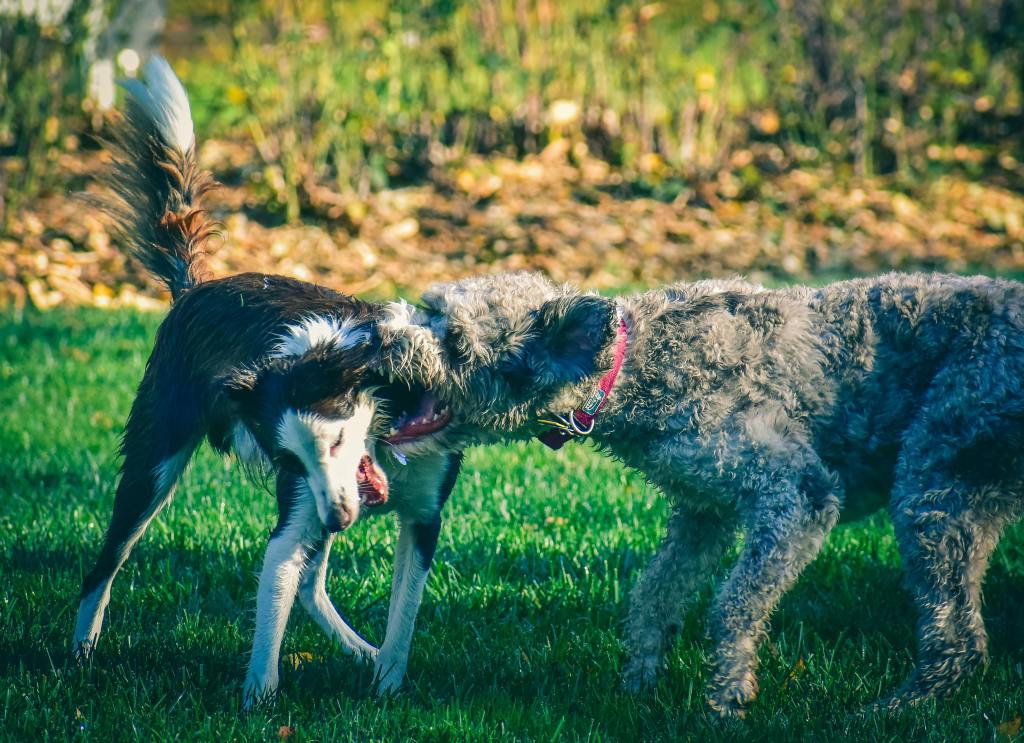
Without plenty of positive social experiences during these critical learning periods, dogs can lack an understanding of body language, acceptable social interactions and become fearful towards other dogs and strangers. As already discussed, fear is a common cause of reactive and aggressive displays, in an attempt to scare aware a perceived threat.
So, we have discussed a lot of the whys behind reactivity in dogs, but the list is exhaustive. We will get into the what to do about it in another blog post. For now, if there is one thing I hope you take away from reading this—it is to be more mindful and empathetic to how our dogs may be feeling—even in those times when their behaviours may push us to our very limit.
No matter what the reason driving their reactivity is, dogs do not want to behave this way, they simply don’t have the skills or understanding to act otherwise. We will talk about how to overcome this next time.
 Join the Positive Dog Training Revolution
Leave a comment