
Disclaimer: There is no magic cure to dog reactivity or aggression. If you have been told that there is a quick fix to overcoming reactivity and/or aggressive behaviours in dogs, then it is likely either misleading information or the ethics being used are questionable.
But I am here to give you hope—there is a solution, one that is kind to our dogs and gets you closer to your dog owning dreams. I understand first hand just how lonely, disheartening and consuming trying to handle a dog with reactivity issues can be—hang on in there, I am hoping this post will help guide you forwards.
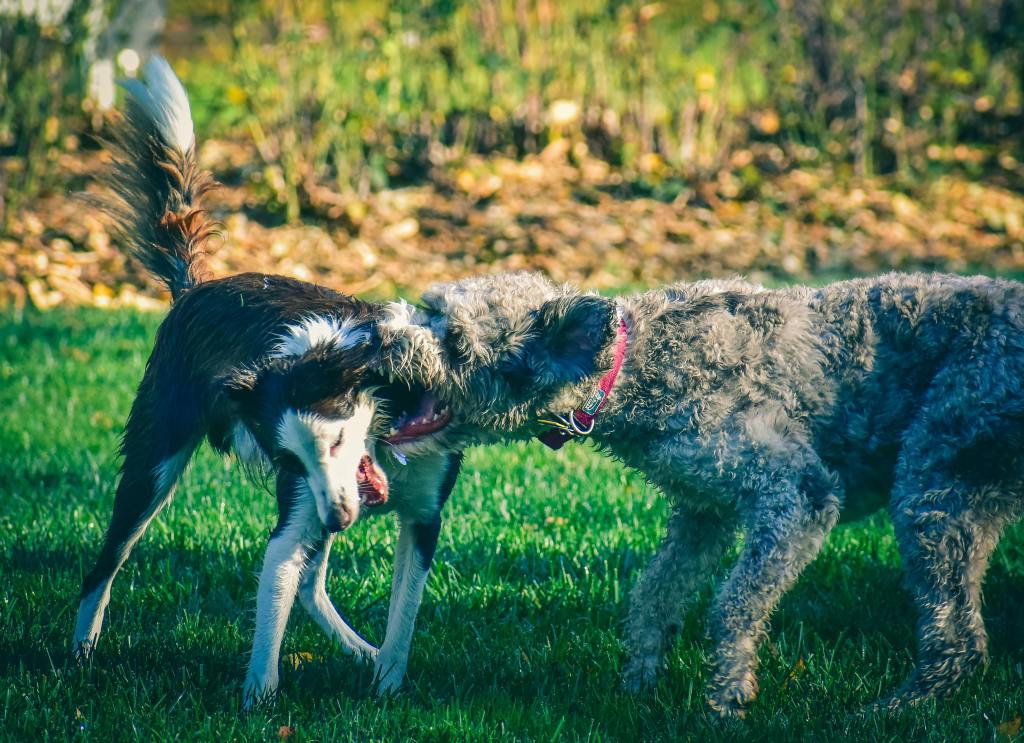
Here are my six steps to overcoming dog reactivity:
Step 1: Understand the reason behind the behaviour.
There could be multiple reasons driving your dogs reactivity—and likely are! For this step you may refer to my previous post—Reactive or Aggressive? 7 Reasons Your Dog May Be Struggling.
When overcoming dog reactivity and aggression, we must understand what is driving the behaviour. This will allow us to tackle the problem at the root cause, rather than just addressing the behavioural symptoms. Unfortunately, ‘balanced trainers’ often punish the behavioural symptoms—to suppress the dog’s emotions—without ever getting to the root cause of what is driving the behaviour. This is not a cure or a fix, it is simply forcing dogs to suffer in silence—which I do not advocate.
Step 2: Adjust your mindset.
Take a breath. When overcoming reactive or aggressive behavioural problems, it is important for owners to draw a line in the sand. We must see any struggles up until this point as information to help aid our journey forward, but not hold onto the emotional baggage that can build when dealing with a dog’s behavioural issues.
Without adjusting our mindset, the emotional baggage that has built up will cloud our judgement on the road to recovery, and we will be unable to see any progress or improvements, no matter how big or small. We must see and judge the dog in front of us, adjusting our mindset to stay in the present. Let go of the past and reflect on it for informative purposes only.
Step 3: Document your current state.
Write down everything that springs to mind when you are thinking about your dog’s reactivity issues. What are their most common triggers (anything that can cause them to react). Then expand on each trigger and note down what happens in as much detail as you can.
Rate each trigger on a scale of 1-10, with 1 being a minor reaction (e.g. alert barking or whining) up to 10 being an explosive reaction (e.g. intense lunging, barking, biting).
Step 4: Visualise your goal.
Make sure you are really clear when documenting what the future state looks like. Now, it’s important to be realistic here—understand the dog in front of you—some dogs may never love greeting strangers, or want to make friends with every dog they meet. Your goals should be fair and empathetic, focus on achievable aims which can improve you and your dog’s quality of life and relationship.
For example, we may not be able to transform our dog into a sociable butterfly, but we can set a goal to have our dog walk past other dogs in close proximity, focused on us and ignoring the other dog. Or for a dog that goes ballistic at the postman ringing the doorbell—they may always bark to alert us of the doorbell—but it would be reasonable to expect them to stop when we ask and give them an alternative behaviour to perform instead, such as going to their bed.
Step 5: Make a plan.
Now that you have a good understanding of what may be driving your dog’s behavioural issues—and clear, achievable goals to work towards— you can develop a plan to fill in the gaps. Your plan should break down each issue into small manageable chunks, exposing your dog to their triggers in the smallest way possible (such as from a great distance), until they feel safe enough to acknowledge the trigger without showing signs of stress.
You may wish to consult a certified dog behaviouralist to help develop your behaviour modification plan, to maximise your chances of success, taking into account your dog’s individual needs and challenges. Be sure to research any potential behaviourists thoroughly—ensuring they clearly outline their training methods and values—you should only trust positive reinforcement-based trainers whom consider the most ethical ways to help you and your dog.
Step 6: Be kind—to yourself and your dog.
I know how tricky this process can be—but you and your dog deserve to make your dog owning dreams a reality—and they can be. Long-lasting results take a lot of time, commitment and patience, but are 100% worth the effort. Setbacks are inevitable, after all you are only human and are dealing with an animal, you will make mistakes and both have off-days.
Recognise this, and use your journal to reflect back on how far you have come (sometimes it is easy to forget this!), and revisit your goals to motivate you to keep pushing. Don’t forget, you chose to bring this dog into your life, the least you can do is to help them adjust to the life you chosen for them, in the kindest way possible.
The only impossible journey is the one you never begin.
 Join the Positive Dog Training Revolution
Leave a comment